

Latin-SEQ
In addition to providing genetic diagnoses for patients with neuromuscular diseases (NMDs) in Latin America, Latin-SEQ will also drive advances in basic and clinical research across several key areas, including:
- Establishing region-specific phenotype-genotype relationships:
This will enable identification of particular associations between patients’ clinical characteristics and genetic mutations within LATAM populations, thereby contributing to a better understanding of genetic variants in the region. - Determining the prevalence of various NMDs in LATAM:
By evaluating the distribution of different neuromuscular diseases in the region, Latin-SEQ will provide a clearer perspective on their impact, helping to develop improved strategies for diagnosis and treatment. - Identifying founder or region/ethnic-specific variants:
Many genetic variants may be present only in specific populations or geographical areas. Identifying these variants will allow tracing the origin and spread of certain mutations within specific populations, enhancing genetic testing and supporting the development of targeted treatments. - Establishing a diagnostic algorithm based on Latin-SEQ’s experience:
The project will leverage the insights gained from genetic analysis of patients to create an optimised diagnostic protocol for neuromuscular diseases in Latin America, considering the particular characteristics of its populations and available infrastructure.
With this comprehensive approach, Latin-SEQ will not only offer more precise diagnostic solutions but also significantly contribute to scientific knowledge and improve healthcare in the region.
Additionally, cases where exome analysis has not identified disease-causing variants will undergo a more extensive genomic analysis to identify new candidate genes associated with NMDs. In these cases, the first step will be to conduct segregation studies in affected and healthy family members to observe how variants are inherited within families. Subsequently, functional analyses of the identified variants and/or genes will be performed, implementing various experimental strategies, such as enzymatic assays, cell cultures, and, where necessary, animal models to assess the biological impact of these variants. This multifaceted approach will not only advance the identification of new genes related to NMDs but also provide a deeper understanding of their pathogenic mechanisms and the ways they affect patients at molecular and functional levels, thus making a significant contribution to the development of future therapeutic strategies.
Latin-SEQ+

Evaluating the delivery of whole exome sequencing
for patients with muscle diseases in Latin America
(Latin SEQ)

This project funded by the NIHR, Latin-SEQ+, and led by Dr Lorraine Cowley, is trying to find out about the experiences of patients and healthcare professionals in 15 LATAM countries who are part of the Latin SEQ consortium that is offering a type of genetic testing called Whole Exome Sequencing (WES) to diagnose inherited muscle diseases. This type of test can also identify if a patient has other genetic conditions or risks of disease that have nothing to do with their muscle disease symptoms (because WES does not just look at muscle disease genes). The test may diagnose conditions that patients and their doctors do not expect, and they are not prepared for. WES can also come up with uncertain answers that are difficult to interpret.
This video, designed for families receiving a genetic diagnosis, may be helpful in explaining what WES is.
There are many potential benefits of having a genetic diagnosis for muscle diseases. A diagnosis can help to tailor treatment or supportive care, it can help families to understand why their relative has a disease and answer questions that they may have asked for a long time, it can give other family members genetic information that they might use for their medical care or prenatal options for their future family.
There are also some downsides and sometimes patients can struggle to come to terms with a genetic diagnosis for many reasons. Parents may feel guilty once they know their child has inherited a condition or disease from them. A genetic diagnosis can cause family upset when family members, who may be at risk of the genetic condition, do not want to know. In some cultures, people may feel stigmatised by the information. It can sometimes affect financial arrangements like insurances and some career opportunities. These are issues, which a genetic counsellor would usually discuss with patients before testing.
In many of the 15 LATAM countries, there is no genetic counselling available and healthcare professionals in the muscle disease service will inform patients about WES and the possible genetics of their disease and/or any unexpected findings. In addition, in LATAM countries access to supportive care services may vary. Some tailored therapies may not be available even when a genetic diagnosis is found. Prenatal testing may not be available because of legal, religious, or cultural restrictions.
The study aims to evaluate patients’, families’, and Healthcare-Professional’s experiences of:
- Receiving and giving a genetic diagnosis
- How and if there are changes to patient care following WES
- Pre-natal testing opportunities and uptake
- Communicating genetic information within families
- Receiving and giving unexpected findings
- Dealing with variants of uncertain significance
- Cultural contexts
The study objectives are:
- to develop educational input and resources
- highlight areas of good practice (as measured against UK genetic counselling standards)
- share findings with LATAM partners to grow their genetics services and improve patient outcomes
- share findings with Health Education England and Genome England to inform UK service development
The findings of this study, when shared with the participating centres, will help to support the development of genetic services in the Latin American countries. In the UK, although we have genetic counselling, WES is also beginning to be offered to patients by doctors who are not geneticists. We can therefore also learn about developing our own services from the experiences of healthcare professionals and LATAM patients who do not have genetic counselling services.
The project will generate new knowledge about delivering effective genetic counselling to improve patient outcomes in Latin America and in the UK
.
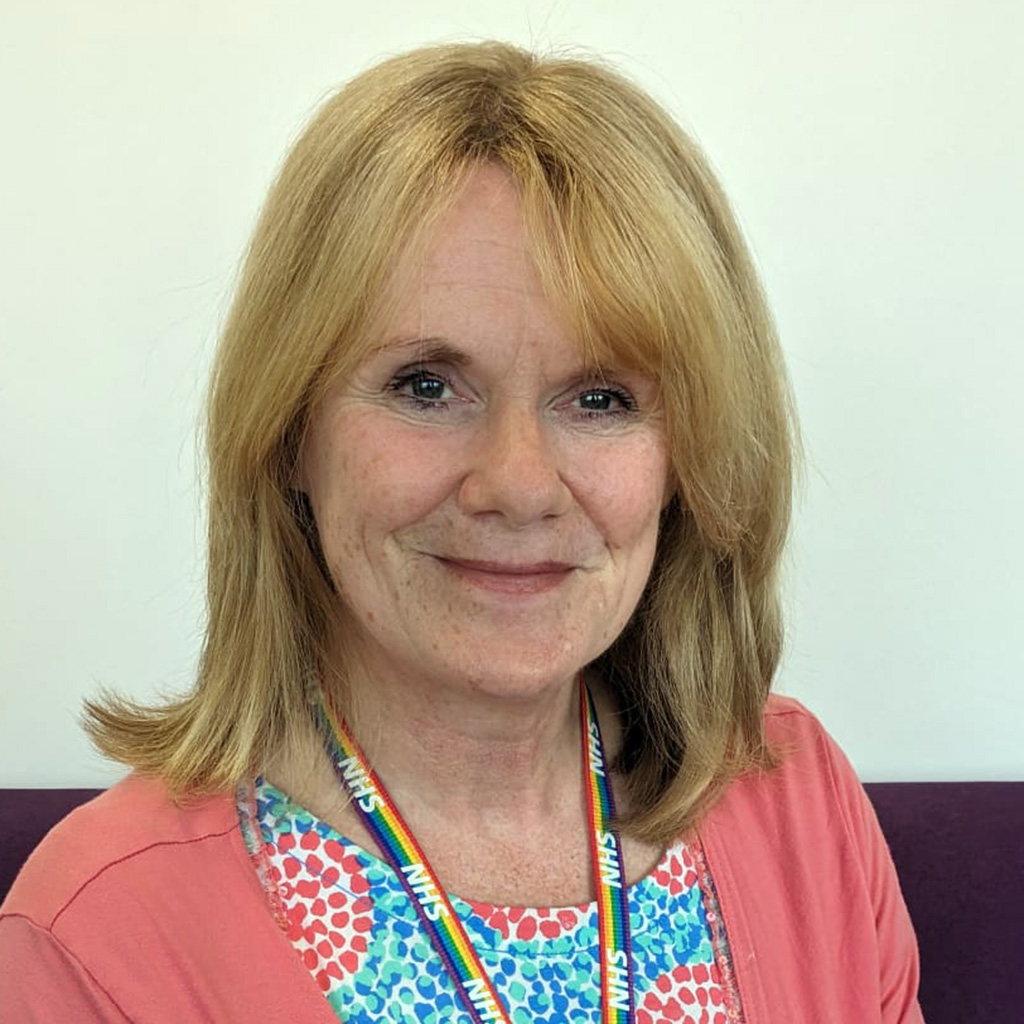
My role as a genetic counsellor involves helping to identify people at increased risk of renal and cancer genetic diseases.
As part of the clinical team, we try to find the underlying genetic cause of a disease by identifying who is the most appropriate person to test. We gather family history information, draw a family tree, and identify the inheritance pattern of diseases. Once we know what gene is causing a disease, I help patients to cascade information to all family members at risk.
Those who think they want to know if they have inherited the condition are offered an appointment. At the appointment I will help them to make informed decisions about predictive genetic testing that are right for them at this point in their lives.
If a person has inherited the gene change causing the condition, or if a person at risk decides that having a genetic test is not right for them at this time, I will arrange appropriate screening for them.
My role in the university is in researching what it means for patients to have a genetic illness and what it’s like to be offered a genetic test. Some of my works has highlighted how genetic tests can change family dynamics and relationships.
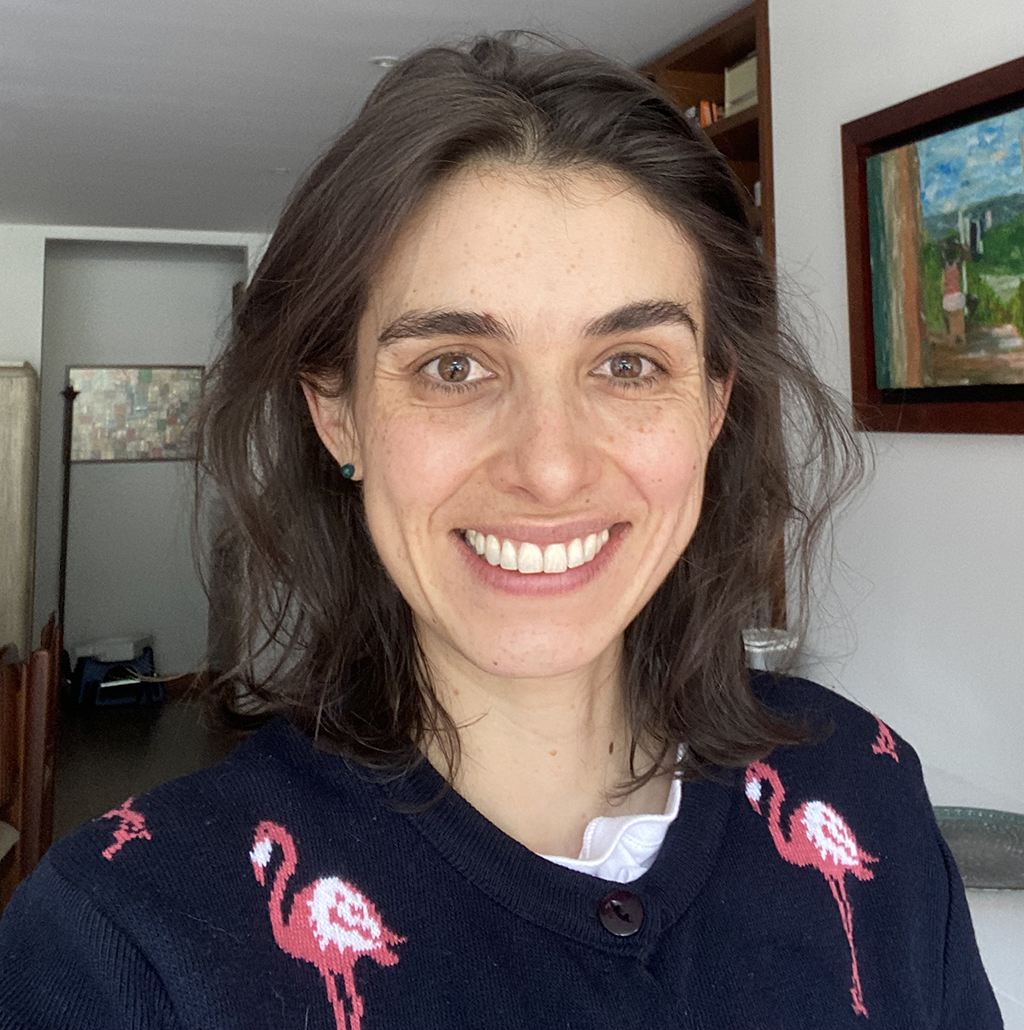
Liliana is a medic & public health scientistic interested in interdisciplinary and cross-world research on a range of health-related topics. She is a research associate of Latin-Seq + and drawing on a qualitative approach, she will explore whether and how genetic testing and related results shape people’s trajectories of life, family dynamics and relationships.
Liliana’s research interests include people’s views and experiences of health, illness and disability processes, health related stigma and the social determinants of children’s and young people’s mental health and wellbeing. Methodologically, participatory and collaborative knowledge production lies at the centre of her research approach.
Liliana combines research with medical teaching at the University of Edinburgh; she also worked as a medical volunteer in Colombia for five years. During this time, she offered genetics counselling to children with cleft lip and palate and their families.
As a researcher and clinician, she seeks to generate and mobilise evidence- based and practice-based knowledge to create sustainable health-related policy and clinical practice change.
Publications, Presentations, and Conferences
In addition to the diagnostic component, the Latin-SEQ consortium will actively promote research projects in both the clinical and genetic fields. These projects may include, among other topics, phenotype-genotype correlation analysis, description of founder variants, identification of new genes, and the study of genetic factors specific to the region. Each participating centre will have the freedom to use the results generated according to its own interests and objectives.
The consortium will also encourage its members to participate in conferences and publish scientific articles. To ensure fair and balanced participation in these activities, a publication policy will be applied, which can be consulted in this website’s intranet section or requested from us directly.
This intranet section will also provide an updated list of all ongoing projects, publications, and presentations. To keep this list accurate and accessible to all consortium members, we ask that each participant informs us of new initiatives and contributions
.
Latin-SEQ
In addition to providing genetic diagnoses for patients with neuromuscular diseases (NMDs) in Latin America, Latin-SEQ will also drive advances in basic and clinical research across several key areas, including:
- Establishing region-specific phenotype-genotype relationships:
This will enable identification of particular associations between patients’ clinical characteristics and genetic mutations within LATAM populations, thereby contributing to a better understanding of genetic variants in the region. - Determining the prevalence of various NMDs in LATAM:
By evaluating the distribution of different neuromuscular diseases in the region, Latin-SEQ will provide a clearer perspective on their impact, helping to develop improved strategies for diagnosis and treatment. - Identifying founder or region/ethnic-specific variants:
Many genetic variants may be present only in specific populations or geographical areas. Identifying these variants will allow tracing the origin and spread of certain mutations within specific populations, enhancing genetic testing and supporting the development of targeted treatments. - Establishing a diagnostic algorithm based on Latin-SEQ’s experience:
The project will leverage the insights gained from genetic analysis of patients to create an optimised diagnostic protocol for neuromuscular diseases in Latin America, considering the particular characteristics of its populations and available infrastructure.
With this comprehensive approach, Latin-SEQ will not only offer more precise diagnostic solutions but also significantly contribute to scientific knowledge and improve healthcare in the region.
Additionally, cases where exome analysis has not identified disease-causing variants will undergo a more extensive genomic analysis to identify new candidate genes associated with NMDs. In these cases, the first step will be to conduct segregation studies in affected and healthy family members to observe how variants are inherited within families. Subsequently, functional analyses of the identified variants and/or genes will be performed, implementing various experimental strategies, such as enzymatic assays, cell cultures, and, where necessary, animal models to assess the biological impact of these variants. This multifaceted approach will not only advance the identification of new genes related to NMDs but also provide a deeper understanding of their pathogenic mechanisms and the ways they affect patients at molecular and functional levels, thus making a significant contribution to the development of future therapeutic strategies.
Latin-SEQ+
Evaluating the delivery of whole exome sequencing
for patients with muscle diseases in Latin America
(Latin SEQ)
This project funded by the NIHR, Latin-SEQ+, and led by Dr Lorraine Cowley, is trying to find out about the experiences of patients and healthcare professionals in 15 LATAM countries who are part of the Latin SEQ consortium that is offering a type of genetic testing called Whole Exome Sequencing (WES) to diagnose inherited muscle diseases. This type of test can also identify if a patient has other genetic conditions or risks of disease that have nothing to do with their muscle disease symptoms (because WES does not just look at muscle disease genes). The test may diagnose conditions that patients and their doctors do not expect, and they are not prepared for. WES can also come up with uncertain answers that are difficult to interpret.
This video, designed for families receiving a genetic diagnosis, may be helpful in explaining what WES is.
There are many potential benefits of having a genetic diagnosis for muscle diseases. A diagnosis can help to tailor treatment or supportive care, it can help families to understand why their relative has a disease and answer questions that they may have asked for a long time, it can give other family members genetic information that they might use for their medical care or prenatal options for their future family.
There are also some downsides and sometimes patients can struggle to come to terms with a genetic diagnosis for many reasons. Parents may feel guilty once they know their child has inherited a condition or disease from them. A genetic diagnosis can cause family upset when family members, who may be at risk of the genetic condition, do not want to know. In some cultures, people may feel stigmatised by the information. It can sometimes affect financial arrangements like insurances and some career opportunities. These are issues, which a genetic counsellor would usually discuss with patients before testing.
In many of the 15 LATAM countries, there is no genetic counselling available and healthcare professionals in the muscle disease service will inform patients about WES and the possible genetics of their disease and/or any unexpected findings. In addition, in LATAM countries access to supportive care services may vary. Some tailored therapies may not be available even when a genetic diagnosis is found. Prenatal testing may not be available because of legal, religious, or cultural restrictions.
The study aims to evaluate patients’, families’, and Healthcare-Professional’s experiences of:
- Receiving and giving a genetic diagnosis
- How and if there are changes to patient care following WES
- Pre-natal testing opportunities and uptake
- Communicating genetic information within families
- Receiving and giving unexpected findings
- Dealing with variants of uncertain significance
- Cultural contexts
The study objectives are:
- to develop educational input and resources
- highlight areas of good practice (as measured against UK genetic counselling standards)
- share findings with LATAM partners to grow their genetics services and improve patient outcomes
- share findings with Health Education England and Genome England to inform UK service development
The findings of this study, when shared with the participating centres, will help to support the development of genetic services in the Latin American countries. In the UK, although we have genetic counselling, WES is also beginning to be offered to patients by doctors who are not geneticists. We can therefore also learn about developing our own services from the experiences of healthcare professionals and LATAM patients who do not have genetic counselling services.
The project will generate new knowledge about delivering effective genetic counselling to improve patient outcomes in Latin America and in the UK
.
My role as a genetic counsellor involves helping to identify people at increased risk of renal and cancer genetic diseases.
As part of the clinical team, we try to find the underlying genetic cause of a disease by identifying who is the most appropriate person to test. We gather family history information, draw a family tree, and identify the inheritance pattern of diseases. Once we know what gene is causing a disease, I help patients to cascade information to all family members at risk.
Those who think they want to know if they have inherited the condition are offered an appointment. At the appointment I will help them to make informed decisions about predictive genetic testing that are right for them at this point in their lives.
If a person has inherited the gene change causing the condition, or if a person at risk decides that having a genetic test is not right for them at this time, I will arrange appropriate screening for them.
My role in the university is in researching what it means for patients to have a genetic illness and what it’s like to be offered a genetic test. Some of my works has highlighted how genetic tests can change family dynamics and relationships.
Liliana is a medic & public health scientistic interested in interdisciplinary and cross-world research on a range of health-related topics. She is a research associate of Latin-Seq + and drawing on a qualitative approach, she will explore whether and how genetic testing and related results shape people’s trajectories of life, family dynamics and relationships.
Liliana’s research interests include people’s views and experiences of health, illness and disability processes, health related stigma and the social determinants of children’s and young people’s mental health and wellbeing. Methodologically, participatory and collaborative knowledge production lies at the centre of her research approach.
Liliana combines research with medical teaching at the University of Edinburgh; she also worked as a medical volunteer in Colombia for five years. During this time, she offered genetics counselling to children with cleft lip and palate and their families.
As a researcher and clinician, she seeks to generate and mobilise evidence- based and practice-based knowledge to create sustainable health-related policy and clinical practice change.
Publications, Presentations, and Conferences
In addition to the diagnostic component, the Latin-SEQ consortium will actively promote research projects in both the clinical and genetic fields. These projects may include, among other topics, phenotype-genotype correlation analysis, description of founder variants, identification of new genes, and the study of genetic factors specific to the region. Each participating centre will have the freedom to use the results generated according to its own interests and objectives.
The consortium will also encourage its members to participate in conferences and publish scientific articles. To ensure fair and balanced participation in these activities, a publication policy will be applied, which can be consulted in this website’s intranet section or requested from us directly.
This intranet section will also provide an updated list of all ongoing projects, publications, and presentations. To keep this list accurate and accessible to all consortium members, we ask that each participant informs us of new initiatives and contributions
.
